
The 14th Century
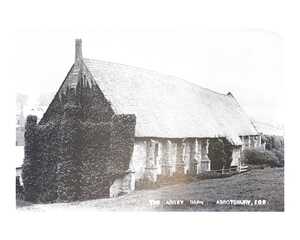
During the middle of the 14th Century, Abbotsbury suffered from the Black Death which had an impact on the Village’s prosperity. Some time between the end of the 14th and beginning of the 15th Century the outlook improved and a great deal of building work took place, which included the construction of Abbey Barn and St Catherine’s Chapel.
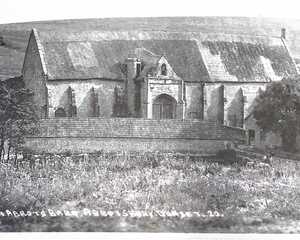
As the wealth of the Abbey grew, so did the storage space required to store the “tithe” payments. Each local farmer was required to pay 1/10 of his harvest to the Abbot. The Barn is almost 80 metres long and believed to be one of the largest thatched buildings in the world. The barn had two porches, each with a watching chamber over the entrance. Today, only half of the Barn roof remains.
Henry VIII
Along with many other religious houses, the Monastery was dissolved by Henry VIII in 1538. Many of the buildings were demolished, but the Barn remained in tact as it proved to be a useful building, and St Catherine’s Chapel survived due to the fact that it was a useful sea-mark for mariners. Much of the stone from the demolished buildings was used for new buildings in the village, including the Manor House.
The commissioner who was appointed by Henry VIII to administer the surrender of the monastery, land and holdings was Sir Giles Strangways. Four years after enforcing the closure of the Abbey of St Peter, he bought the land, property and holdings for £1,906. Over five hundred years and fifteen generations later, the land and buildings still belong to his Family.
 Updating page...